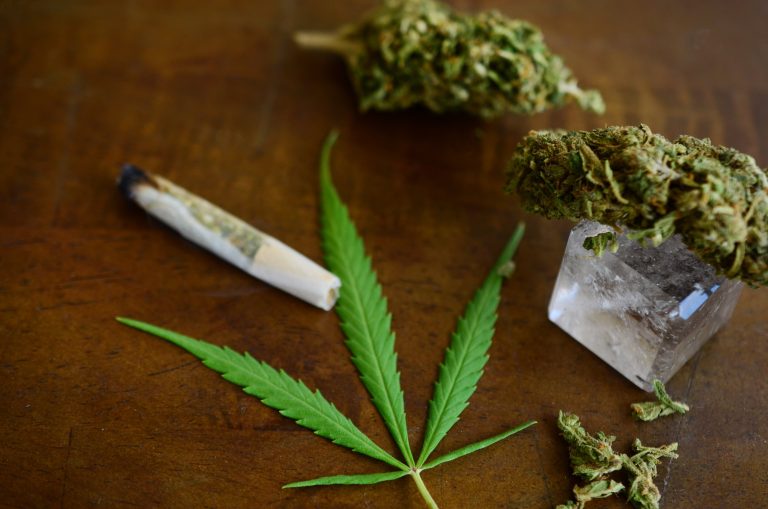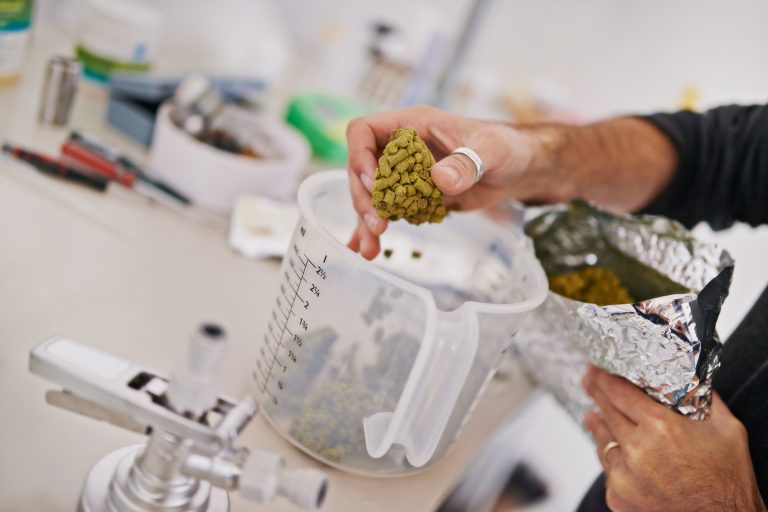
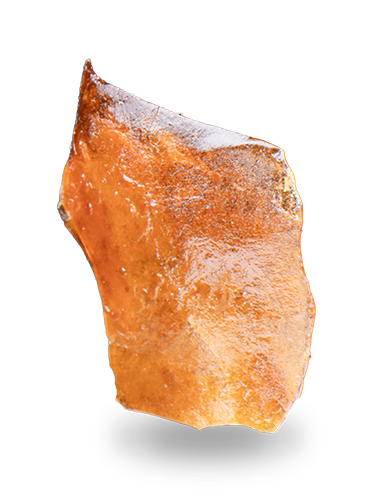
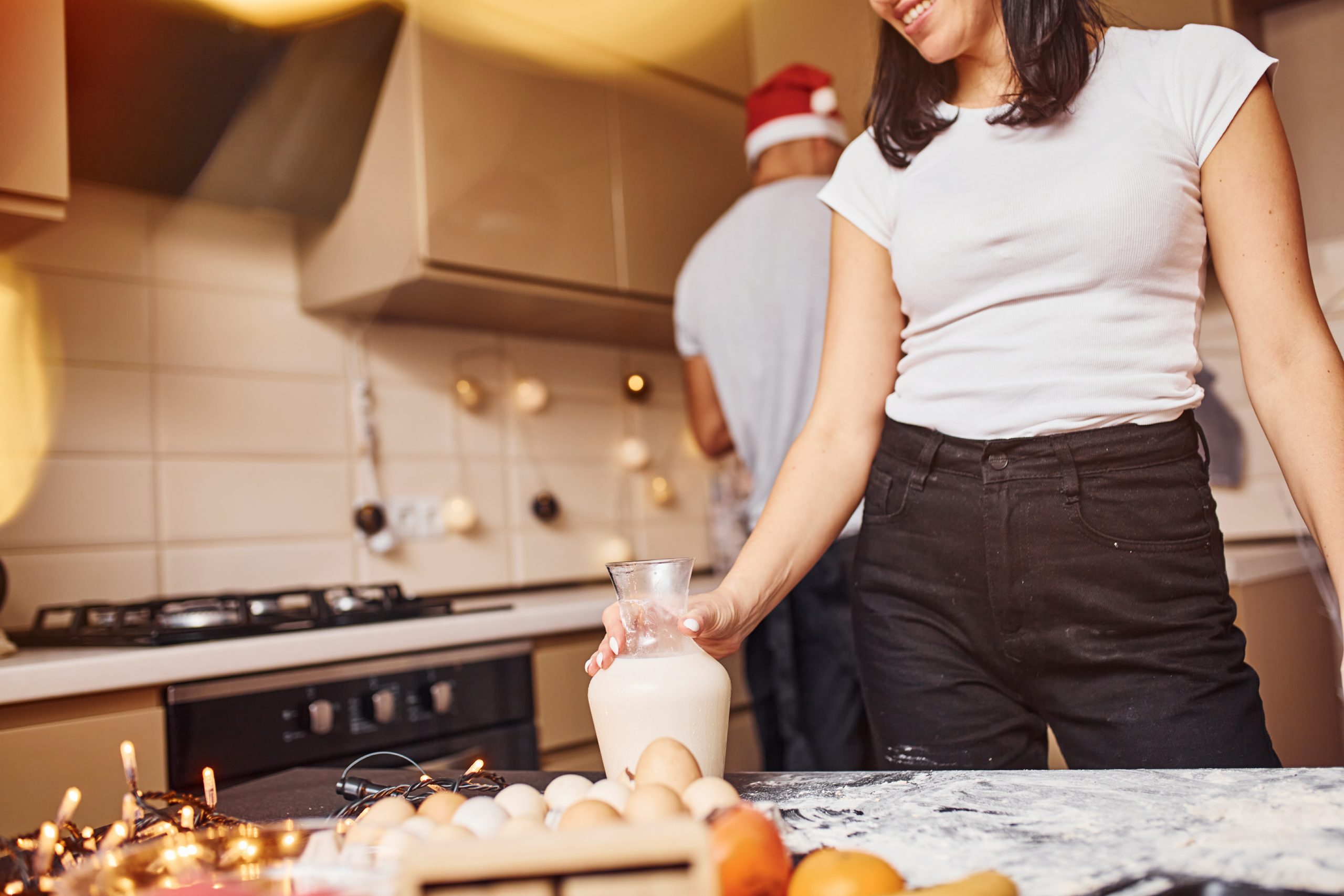
Cooking with cannabis is becoming more popular as people look for creative ways to enjoy the plant. Whether you’re making infused oils, baked treats, or savory meals, understanding cannabis cooking fundamentals ensures a safe, effective, and enjoyable experience. With the right approach, anyone can learn how to infuse confidently—no chef experience required.
Why Cannabis Cooking Requires Technique
Unlike traditional ingredients, cannabis must be activated before it can produce effects. This essential step—called decarboxylation—transforms cannabinoids from their raw forms into active ones. Without decarbing, your edibles will not deliver the desired experience.
According to Bon Appétit, “Decarboxylation unlocks THC and CBD, making cannabis truly effective in cooking.”
(https://www.bonappetit.com/)
Understanding activation, dosing, and infusion techniques makes your creations both delicious and predictable.
Step 1: Decarboxylate the Flower Properly
To begin cannabis cooking, grind your flower lightly and spread it on a baking sheet. Bake it at 220–240°F for 30–40 minutes. This heat range is gentle enough to preserve terpenes while activating THC and CBD.
Tips:
- Don’t over-grind; powder burns easily.
- Stir halfway through for even heating.
- Allow it to cool completely before use.
Step 2: Choose Your Infusion Method
Cannabis binds best to fat, making oils and butters the most common infusion bases.
Cannabutter
Simmer butter, decarbed flower, and water on low heat for 2–3 hours. Strain using cheesecloth and chill until solid. Cannabutter works well in cookies, brownies, and savory dishes.
Infused Oils
Coconut oil, olive oil, and avocado oil all absorb cannabinoids effectively. Use the same low-heat method as cannabutter. Oils are ideal for dressings, pasta, sautés, and baked goods.
Find infusion-ready strains at
Green Leaf NY.
Step 3: Master Proper Dosing
Dosing is the trickiest part of cannabis cooking, but it becomes simple with a consistent system. To avoid overpowering effects, start small.
A basic formula:
(THC %) × (1000 mg per gram of flower) × grams used ÷ servings = mg per serving
Example:
Using 1 gram of 20% THC flower in a batch of 20 cookies results in:
(0.20 × 1000) ÷ 20 = 10 mg per cookie
Most beginners prefer 2–5 mg servings until they understand their tolerance.
Step 4: Incorporate Flavor Wisely
Cannabis has a natural herbal, earthy flavor. To balance your recipes:
- Pair with strong flavors like chocolate, citrus, or spices.
- Use small amounts of infused fat mixed with regular butter/oil.
- Avoid overheating, which intensifies bitterness.
Remember: lower heat preserves both cannabinoids and terpenes.
Step 5: Store Infused Products Safely
Keep infused oils and butter in airtight containers in the fridge. For longer storage, freeze in pre-portioned cubes. Always label potency so you never lose track of strength.
Common Beginner Mistakes (And How to Avoid Them)
- Overheating the infusion: destroys cannabinoids.
- Not straining properly: leaves plant material behind.
- Making potency too strong: causes unpredictable experiences.
- Skipping measurements: leads to inconsistent dosing.
Start slow, stay organized, and test each batch in small amounts.
Final Thoughts
With the right techniques, cannabis cooking becomes a fun and creative skill that lets you customize your experience. Decarbing properly, infusing slowly, and mastering dosing ensures your edibles are delicious, controlled, and reliable every time. Whether you’re crafting a simple oil or experimenting with gourmet recipes, cannabis cooking opens up endless possibilities for flavorful, personalized enjoyment.